
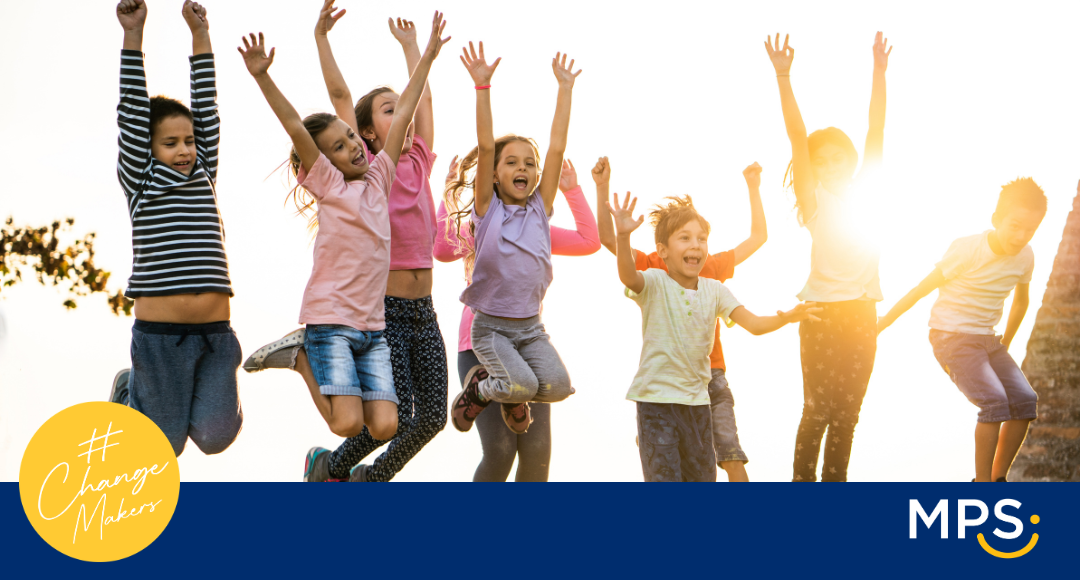
We’re half way through the year and this usually brings with it concerns about children experiencing that dreaded ‘mid-year slump’ with parents wracking their brains on how to motivate children at school again after a strong start to the year.
By the middle of the school year, many parents begin noticing changes in their children’s energy, confidence, and enthusiasm for learning. Homework suddenly becomes more difficult. Motivation dips. Mornings feel harder. Even learners who started the year eager and engaged may begin showing signs of stress, emotional fatigue, or discouragement.
This “mid-year slump” is incredibly common among learners of all ages. After months of academic pressure, busy routines, assessments, social challenges, and growing expectations, many children simply begin feeling mentally and emotionally exhausted.
Importantly, a child losing motivation at school does not necessarily mean they are lazy or incapable. Often, it is a sign that they need renewed support, encouragement, balance, and individual attention to help them regain confidence and momentum.
At Melkbosstrand Private School, we believe supporting learner wellbeing is just as important as supporting academic achievement, especially during the more challenging seasons of the school year.
“Children stay motivated when they feel safe and supported, and this sparks that excitement to learn. In the early years especially, confidence and encouragement play a vital role in helping learners develop a positive relationship with school,” says Mrs Antoinette Gauché , head of the ECD and Foundation phases at MPS.
What Does the Mid-Year Slump Look Like?
The signs can vary from child to child and across different age groups. Younger learners may become emotional, resistant to homework, or clingy at school drop-off. Older learners may withdraw, procrastinate, lose confidence, or become increasingly stressed about marks and exams.
Some common signs include:
- A sudden lack of enthusiasm for school
- Increased frustration or emotional outbursts
- Difficulty concentrating
- Resistance to studying or homework
- Anxiety around tests or assessments
- Feeling “too tired” all the time
- Spending more time on screens or avoiding responsibilities
- Declining confidence in their abilities
Sometimes, what appears to be laziness is actually discouragement or emotional exhaustion. Children often struggle to communicate these feelings clearly. Instead, the stress shows itself through behaviour changes, irritability, or disengagement.
Why Mid-Year Can Feel So Difficult for Learners
Modern learners face significant pressure from an early age. Academic expectations continue to grow while children also navigate friendships, extracurricular commitments, technology distractions, and social comparison.
By the middle of the year, many learners feel as though they have been “running a race” for months without a real opportunity to slow down emotionally.
In larger classroom environments, children can sometimes begin to feel unseen or hesitant to ask for help when they start falling behind or losing confidence. Small struggles can quietly grow into bigger challenges if they are not noticed early.
This is why personalised support matters so much.
When teachers truly know their learners as individuals, they are often able to recognise changes in behaviour, confidence, or motivation long before report cards reveal a problem. Strong relationships between teachers, parents, and learners create an environment where children feel safe enough to ask questions, seek help, and regain confidence.
At MPS, smaller class sizes and individual attention allow educators to better understand each learner’s unique needs, strengths, and challenges. Sometimes, a child simply needs reassurance, encouragement, and someone who notices when they are struggling.
“As academic expectations increase, learners need more than discipline and structure… they need guidance, encouragement, and individual support to help them stay confident and motivated throughout the school year,” says Mr Allan Norton, head of the Intermediate, Senior and FET phases at MPS.
How Parents Can Help Children Regain Motivation
The good news is that the mid-year slump is usually temporary – a ‘blip’ on the radar which thankfully means that small, very intentional changes at home can make a significant difference.
- Focus on Effort, Not Only On Results
Children who feel constant pressure to perform may become fearful of failure and lose motivation altogether. Celebrate consistency, improvement, and effort rather than focusing only on marks.
Encouragement builds confidence, and confident learners are more likely to stay engaged.
- Rebuild Healthy Routines
By mid-year, routines often become less structured. Sleep schedules shift, screen time increases, and homework habits become inconsistent.
Simple routines around sleep, study time, meals, and downtime help children feel emotionally secure and mentally prepared.
- Break Tasks Into Smaller Steps
Large assignments and exam preparation can feel overwhelming. Help children divide work into smaller, manageable ‘bite-size’ sections with regular breaks in between.
Small achievements create momentum and bring the ‘finish line’ into focus and far more attainable..
- Prioritise Emotional Wellbeing
Sometimes children do not need more pressure, they need more connection. Take time to talk, listen, and check in emotionally. Ask open-ended questions about school, friendships, and how they are feeling rather than focusing only on academics. When it comes to teenagers, take the time to consistently just sit with them – without speaking – you will be amazed at the topics of conversation they initiate and what they open up about after a while.
Children who feel emotionally supported are often better equipped to cope with academic stress.
- Encourage Balance
Rest, creativity, outdoor activity, and family time are essential parts of healthy learning. Children cannot perform at their best when they are mentally exhausted. Balanced learners are often more motivated learners. At MPS we encourage our learners to become Active Readers – a concept adopted through our partnership with Keller Education. Active Readers are learners who find a balance between enjoying activities like surfing, swimming, playing, cycling, etc. with at least 20 minutes of reading every day. We encourage our parents to become actively involved in encouraging their children to accomplish this.
- Help Children Manage Exam Stress
For many learners, the middle of the year also brings increased anxiety around tests and exams. Even capable children can begin doubting themselves when academic pressure starts building.
Parents can help by creating a calm and supportive environment during exam periods. Encourage preparation and consistency rather than perfection. Help children create manageable study schedules, ensure they get enough sleep, and remind them that their worth is not defined by marks alone.
When children feel emotionally supported during stressful academic periods, they are often better able to stay focused, motivated, and confident.
“As you prepare for your test or exam, remember that you do not have to carry the pressure alone. You can pray and ask God to give you wisdom, peace, focus, and strength while you study and write your exam. Trust that He will guide you and help you do your best. No matter the outcome, your value and identity are found in Him.” says Antoinette.”
“This is perfectly illustrated in Proverbs 3 verses 5 and 6 – ‘Trust in the Lord with all your heart and lean not on your own understanding; in all your ways submit to Him, and He will make your paths straight.’” concludes Antoinette.
Creating an Environment Where Children Can Thrive
Every child experiences difficult seasons differently. Some need academic support. Others need reassurance, routine, patience, or simply the confidence that someone believes in them.
The middle of the school year can either become a period where learners disengage or an opportunity to reset, reconnect, and rebuild confidence.
At MPS, we believe children thrive in environments where they feel seen, supported, encouraged, and valued as individuals. Through smaller classes, meaningful teacher relationships, and a balanced approach to education, learners are given the opportunity to grow both academically and personally.
As the second half of the year begins, a little support, understanding, and encouragement can go a long way in helping children rediscover their confidence and motivation.
Enrolments at Melkbosstrand Private School are open throughout the year, with space available in various grades.
Recent Comments