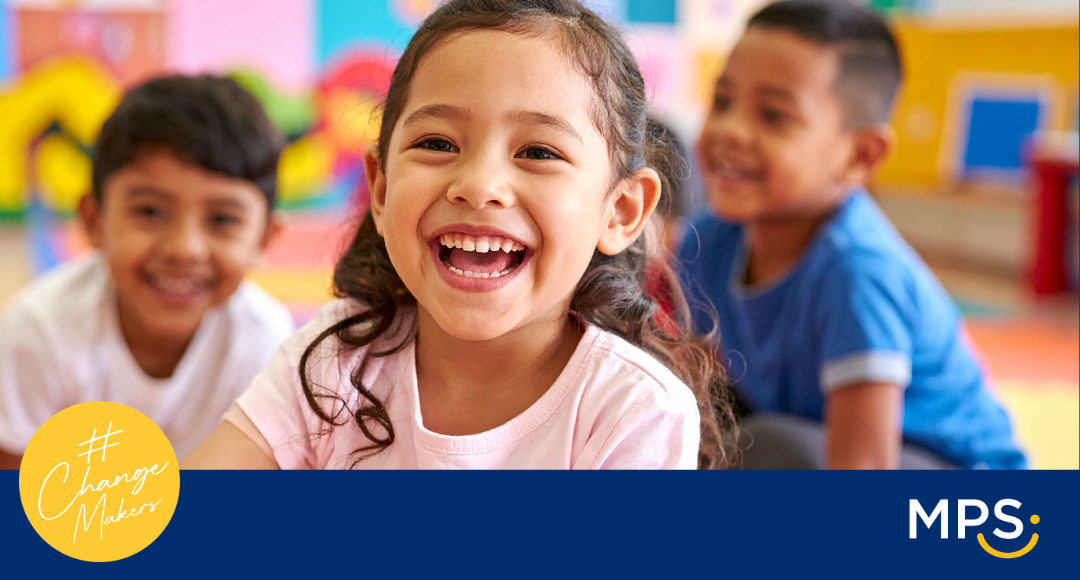
Some children eagerly raise their hands in class. Others sit quietly, unsure if their answer is right. Confidence in the classroom is not something every learner naturally possesses. For many children, it develops over time through encouragement, positive experiences and a learning environment where they feel safe to participate and make mistakes.
Imagine a classroom where every learner is known by name, where teachers notice when a child is struggling and celebrate when they succeed. In this kind of environment, learners are far more likely to speak up, ask questions and challenge themselves academically.
One of the factors that plays a surprisingly powerful role in building this kind of confidence is class size. In smaller schools, learners are more likely to feel seen, supported and encouraged, thus creating the ideal environment for confidence to grow.
At Melkbosstrand Private School, small class sizes create a learning environment where every learner is recognised as an individual. Teachers are able to provide meaningful attention, guide personal growth and help learners develop the confidence they need to thrive both inside and outside the classroom.
Why Confidence Matters in Education
Confidence plays a powerful role in shaping how children experience learning. A learner who believes in their abilities approaches challenges very differently from one who doubts themselves.
- Confident learners are more likely to:
- Participate in classroom discussions
- Ask questions when they need clarification
- Attempt challenging tasks
- Share their ideas and perspectives
- Take ownership of their learning
Without confidence, even capable learners may hesitate to engage fully in their education.
“When learners feel comfortable and supported in their classroom environment, their confidence naturally grows. That confidence becomes the foundation for academic success and personal development,” explains Mr Allan Norton, Head of Intermediate, Senior and FET phases at MPS.
The Advantage of Smaller Classes
In larger schools, classrooms can often be crowded, often with up to 50 learners in a class, making it extremely difficult for teachers to maintain discipline and give every learner the attention they need.
Smaller classes offer a completely different experience.
Every Child Has a Voice
In a smaller classroom, learners are encouraged to speak up, share ideas and actively participate in discussions. Rather than feeling overlooked, each child has the opportunity to contribute and engage.
For younger learners especially, this sense of participation is crucial. The confidence gained from speaking up in class can have a lasting impact on their communication skills, curiosity and willingness to learn.
Teachers Truly Know Their Learners
Smaller classes allow teachers to build meaningful relationships with their students. They can quickly identify each learner’s emotions, strengths, challenges and individual learning style.
Mrs Antoinette Gauchè, Head of ECD and Foundation phases at MPS, highlights the value of this connection: “When teachers know their learners well, they can support them in a much more personal way. Encouragement at the right moment can make a tremendous difference in helping a child believe in themselves.”
This personalised approach allows teachers to guide learners with the right balance of support and challenge.
Learners Feel Seen and Supported
In a smaller school environment, it is far less likely for a learner to feel lost in the crowd.
Teachers notice when a learner is struggling with emotional issues, celebrate when they succeed and step in with encouragement when confidence needs a boost.
When learners feel safe, supported and understood, they are far more willing to take the academic risks that lead to growth.
Building Confidence at Every Stage of Learning
The benefits of smaller classes extend across every phase of a child’s education.
ECD phase
In the early years, children build confidence through play, exploration and positive reinforcement. In a nurturing, small-class environment, young learners feel safe to express themselves, try new activities and develop independence, all of which lay the foundation for future learning.
Foundation Phase
Young learners gain confidence by exploring, asking questions and participating in activities where their contributions are valued.
Intermediate and Senior Phases
As learners grow older, smaller classes allow for deeper discussions, stronger relationships with teachers and more personalised academic guidance.
High School
Older learners benefit from mentorship, emotional and academic support and the confidence to express their ideas, take initiative and develop leadership skills.
At every stage, a smaller learning environment supports both academic progress, personal and emotional development.
MPS – A Community That Encourages Growth
Confidence does not develop in isolation. It grows within a supportive community where learners feel encouraged by teachers, peers and parents.
At Melkbosstrand Private School, the focus is on creating an emotionally supportive, nurturing and values-driven environment where learners can grow academically, socially and spiritually.
Through small class sizes, individual attention and strong Christian values, the school aims to help every learner discover their strengths and develop the confidence to pursue their goals.
Giving Your Child the Confidence to Thrive
Every child deserves a learning environment where they feel encouraged, supported and inspired to reach their potential.
“For many families, a smaller school environment offers exactly that – a place where learners feel safe, build confidence, develop meaningful relationships and cultivate a lifelong love of learning.” says Mr Oloff Dreyer, CEO of MPS.
“When children learn in an environment where their emotions are considered, valued and supported; their confidence, and their potential, can grow in remarkable ways.” concludes Mr Dreyer.
If you are exploring schooling options for your child, having difficulty with the on-line application placement system, the team at Melkbosstrand Private School would be delighted to welcome you for a visit and share more about our approach to personalised education and holistic development.
Enrolments are open throughout the year, with space available in various grades.
Recent Comments