At a time when classrooms are racing toward ever-newer technology, a surprising global shift is taking place. Schools around the world are returning to physical books, handwriting, and traditional learning tools after years of prioritising screens. Even countries long regarded as education pioneers, like Sweden, have begun re-evaluating digital-first classrooms as educators recognise an important truth: innovation only matters when it genuinely improves learning.
For parents, this raises a powerful question: What methods actually help children understand, retain, and enjoy knowledge most effectively?
The Hidden Power of Paper
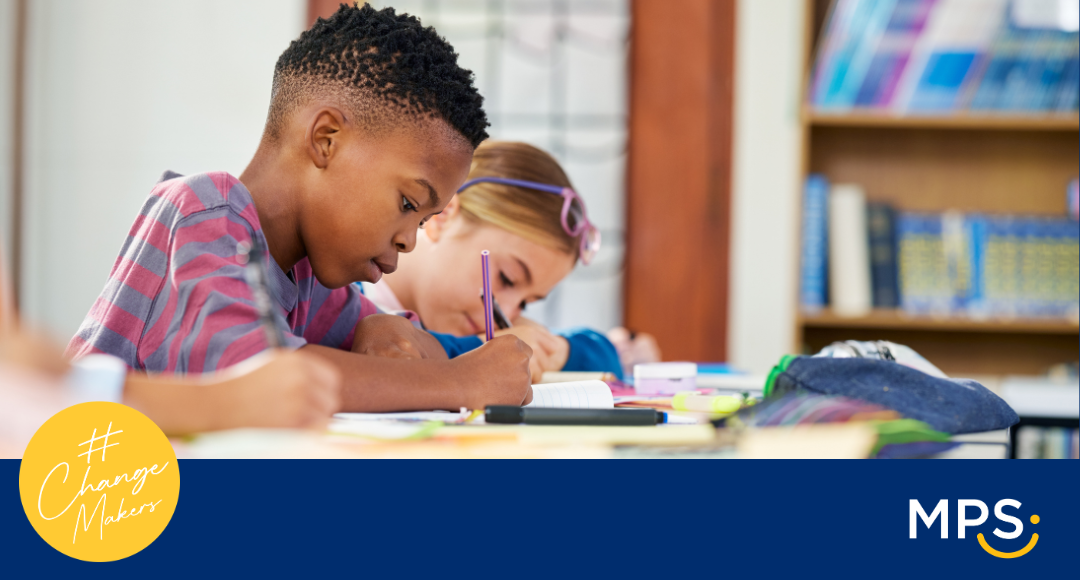
Research increasingly shows that reading from physical books supports deeper comprehension than reading from screens as applied in many traditional and online schools today. Children tend to absorb information more thoroughly, remember details longer, and develop stronger vocabulary when engaging with printed text. Writing by hand, too, activates cognitive processes linked to memory and conceptual understanding in ways typing simply never will, as well as improving crucial fine-motor skills.
These findings explain why, globally, many schools are rediscovering the value of physical, tactile learning experiences. Books encourage imagination. Handwriting strengthens neural connections. Turning pages slows the mind just enough to think critically – a skill that fast-paced digital scrolling rarely nurtures.
Why Balance Matters More Than Ever
Technology is, of course, a valuable educational tool. Digital resources can enhance lessons, provide interactive opportunities, and expose learners to global information.
“Technology has its place in the world and in education but should never replace a human – a teacher,” says Mr Oloff Dreyer, CEO of MPS.
The key insight emerging worldwide is that balance matters more than novelty. Small classrooms with dedicated teachers that combine structured literacy foundations with carefully integrated technology appear to produce more confident, capable learners and human beings.
The MPS Approach – Literacy First
At Melkbosstrand Private School this balanced philosophy has, since inception in 2006, been part of the educational approach and methodology. Rather than chasing technology trends, we take note and evaluate them while the main focus remains on developing confident readers who don’t just recognise words, they understand, analyse, question, and engage with them deeply.
This approach reflects a deliberate educational philosophy: before learners can successfully use advanced tools, they must first master the essential basic skills that make meaningful learning possible.
“At MPS, we believe that early detection and prevention are key to helping children thrive,” says Antoinette Gauche, head of ECD, Foundation and Intermediate phases at MPS.
“By identifying challenges before they impact learning, we give every child the tools to succeed.”
Some of these ‘tools for success’ include:
- Strong Literacy Foundations: Our classrooms prioritise reading, writing, and language development through the Keller methodology. Learners enjoy daily 20-minute reading sessions and guided support from teachers trained by the Tina Cowley Reading Centre, working side by side with children.
- Early Screening: Learners from Grade 00 to Grade 3 receive annual eye screenings by Dr Frederik Jansen to detect vision issues early.
- Motor Skills Development: Through play-based activities, movement exercises, and the Keller Track, children develop fine and gross motor skills, boosting coordination, confidence, and readiness to learn.
- Outdoor Learning & Exploration: Children engage in hands-on play outside the classroom to reinforce concepts, strengthen gross motor skills, and foster curiosity.
- Targeted Reading Support: Early identification of reading challenges allows teachers to provide personalised support, helping learners gain fluency, comprehension, and confidence.
“The impact of this prevention-focused approach is celebrated in events like the Grade 3 Pen Licence Ceremony, recognising learners’ progress and achievements – proof that prevention and early support lead to success,” concludes Antoinette.
At Melkbosstrand Private School, our primary school has intentionally replaced traditional homework with a focused programme built around 20 minutes of daily reading.
“Rather than sending learners home with hours of written tasks, we prioritise consistent, meaningful reading practice. This daily habit strengthens vocabulary, comprehension and language confidence in both home and additional languages, without overwhelming children after a full school day, “says Allan Norton, head of Intermediate, Senior and FET phases at MPS.
This approach is grounded in a simple belief: young learners thrive when academic growth and emotional well-being are balanced.
Excessive homework can contribute to stress, anxiety and strained family time. By limiting after-school academic demands, we allow children to:
- Rest and recharge
- Participate in sport and outdoor play
- Spend quality time with family
- Develop socially and creatively
Reading for 20 minutes is manageable, purposeful and often becomes a positive shared activity between parent and child, strengthening both literacy and relationships.
“At MPS, we are not lowering expectations; we are being intentional about what truly matters. By focusing on daily reading rather than hours of homework, we build strong academic foundations while protecting the joy, confidence and emotional well-being of our learners,” Allan added.
Electronics vs Pen & Paper
At MPS, we prioritise in-person teaching and the use of physical textbooks and written assignments over heavy reliance on devices. This choice supports both academic focus and emotional well-being.
Learning face-to-face allows teachers to notice emotional cues, offer immediate support and build meaningful relationships with learners. Screens can create distance, while physical interaction fosters connection and trust.
Textbooks and handwritten work also promote deeper concentration and reduce digital distractions. Without constant screen exposure, learners experience less overstimulation, improved focus and healthier emotional regulation.
“There is also value in tangible learning – paging through a book, writing by hand and physically completing an assignment builds confidence, responsibility and a clear sense of progress.” adds Allen.
“At MPS, our approach is intentional: we use technology where appropriate, but we anchor learning in real human connection to ensure our learners grow academically strong, emotionally balanced and socially connected,” concludes Allan.
What All This Means for Your Child’s Future
Educational trends will continue to evolve, but the fundamentals of learning remain remarkably consistent. Children thrive when they can focus, imagine, question, and reflect. All these skills are strengthened through meaningful interaction with books.
The global return to traditional literacy tools isn’t a step backward. It’s a step toward what research has only now confirmed: sometimes the most powerful learning tools are the simplest ones.
Interested? Here are some interesting reads on the topic:
https://www.thetimes.com/uk/get-britain-reading/article/sweden-schools-books-classrooms-5fbp0bvc7
Choosing a learning environment that values strong human and literacy foundations, focused attention on emotional well-being, and proven teaching methods can make all the difference in your child’s academic journey. At Melkbosstrand Private School, families partner with educators who prioritise deep understanding, confident reading, and lifelong learning skills; giving learners not just a great start, but a lasting advantage. If you’re considering the right school for your child – contact MPS today. We’d love to meet you and remember – enrolments are open all year round!
Recent Comments